
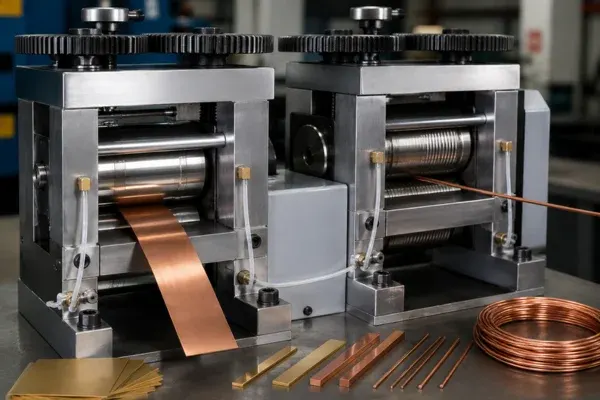
One Machine, Two Jobs Done Properly
Most jewellery workshops start out with separate machines for sheet work and wire work, mainly because that’s how the industry has traditionally set things up. But if you’ve run a workshop for any length of time, you already know the downside — two machines means two footprints, two maintenance schedules, and constant switching between stations depending on what the order calls for. Our jewellery rolling mill for sheet & wire was built to remove that hassle entirely.
Instead of treating sheet and wire rolling as two separate problems, we designed one machine that handles both without a drop in quality on either side. That’s not as simple as it sounds — a machine that’s good at rolling sheet doesn’t automatically roll wire well, and vice versa. Getting both right in a single unit took real engineering work on the roller design and gap mechanism.
Built for Workshops That Handle Mixed Orders
If your production floor deals with a mix of orders — some calling for flat sheet destined for stamping or engraving, others needing wire drawn down for chains or settings — switching
between two separate machines eats into your day more than most people realize. Setup time, recalibration, moving stock between stations; it adds up fast, especially during high-volume periods.
This machine is built so you can move between sheet and wire rolling on the same unit, with a straightforward adjustment rather than a full reconfiguration. That means less downtime between job types and more actual production hours in your day.
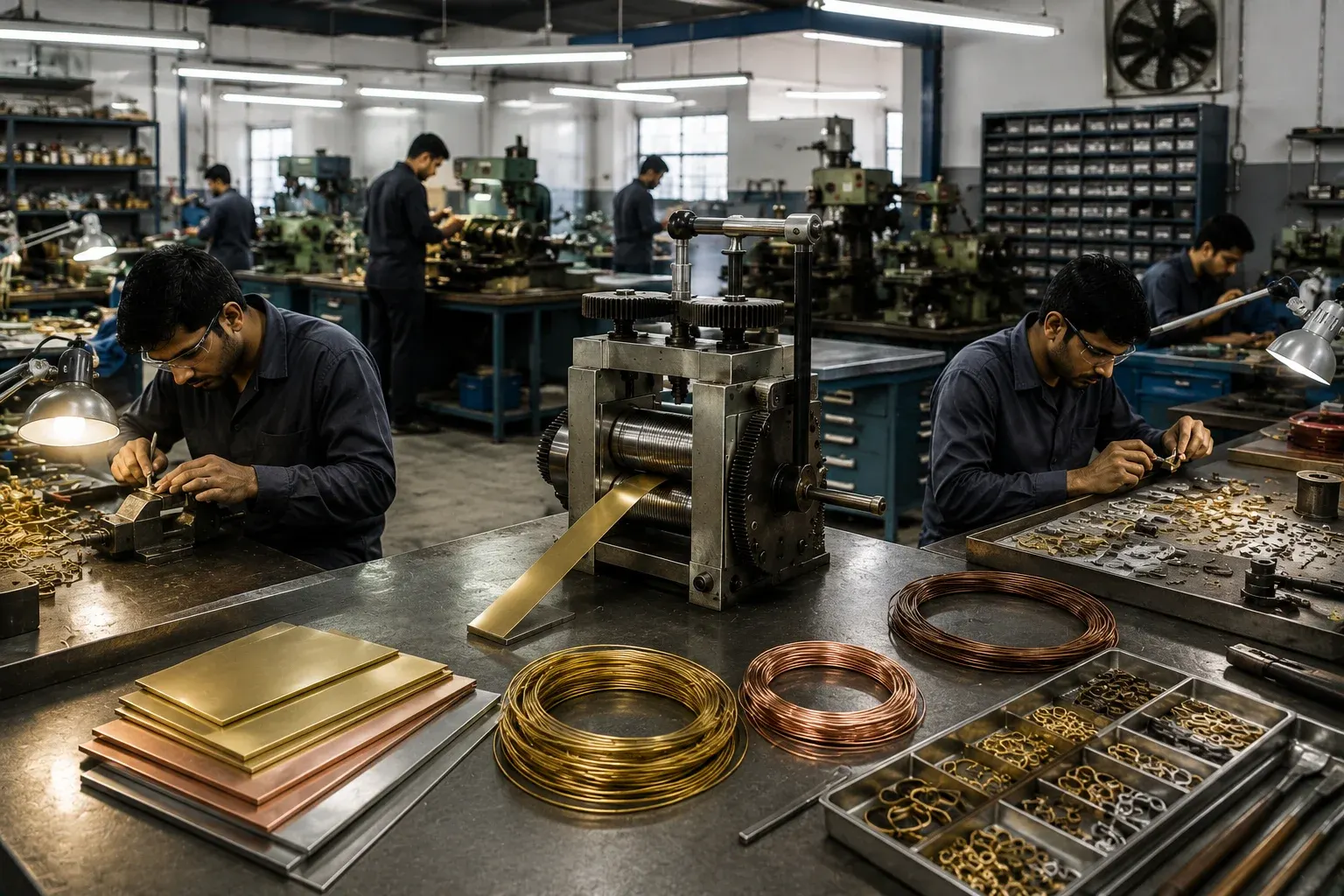
Space and Cost Efficiency That Actually Matters
Workshop floor space isn’t unlimited, and neither are equipment budgets. Investing in two separate rolling machines when one properly designed unit can do both jobs is, frankly, an avoidable expense for a lot of manufacturers, especially smaller operations still scaling up. Our dual-function rolling mill gives you that flexibility without asking you to compromise on the quality of either sheet or wire output.
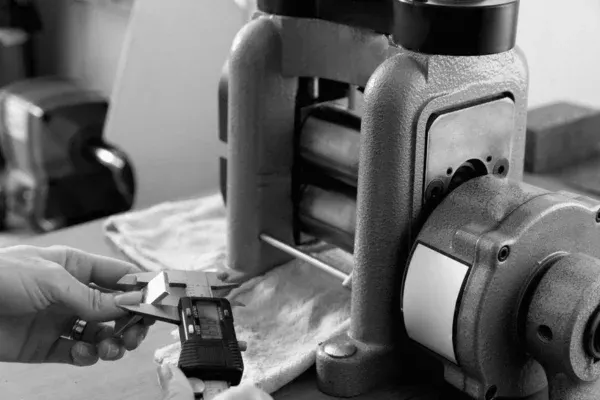
Consistent Calibration Across Both Functions
A common concern with dual-function machines is that they end up being average at both jobs instead of excellent at either. We built this rolling mill specifically to avoid that trade-off. The rollers hold tight tolerances whether you’re flattening sheet or drawing wire, and the frame is stable enough that switching functions doesn’t introduce vibration or calibration drift into your next batch.
ISO 9001:2015 Certified Manufacturing
Every unit goes through the same rigorous quality process as the rest of our range, checked and tested against ISO 9001:2015 standards before it leaves our Ahmedabad facility. That applies to both the sheet-rolling and wire-rolling components equally.
Ideal For
Such a machine will be highly effective for workshop and medium-scale manufacturing settings where flexibility is needed in production but without doubling the equipment costs. If your orders swing between sheet-based and wire-based jewelry making, this rolling mill is specifically designed for you.
Reach out to discuss your production volume and order mix, and we’ll help confirm whether this dual-function setup fits your workshop.
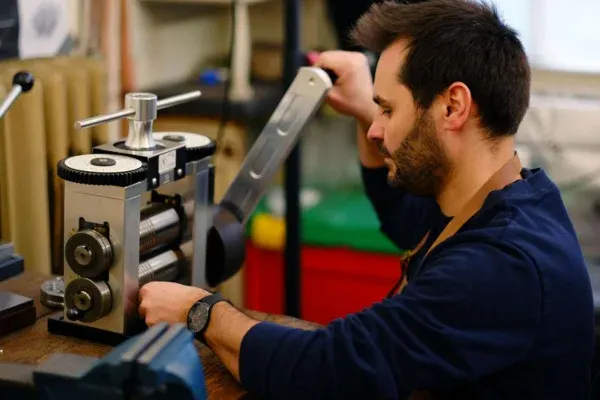
FAQS:
Can one machine really handle both sheet and wire rolling without compromising quality?
Yes, this machine is specifically engineered with separate roller calibration for sheet and wire functions, so switching between them doesn’t affect output quality on either side.
Is this a good option for smaller workshops with limited floor space?
Yes, combining sheet and wire rolling into one machine is especially useful for workshops looking to save floor space and reduce equipment costs.
How much time does it take to switch between sheet and wire rolling?
Switching involves a straightforward adjustment rather than a full reconfiguration, keeping downtime minimal between job types.
Is the machine ISO certified?
Yes, it’s manufactured under our ISO 9001:2015 certified quality process, covering both sheet and wire rolling components.