
Less Metal, Same Look — When It's Done Right
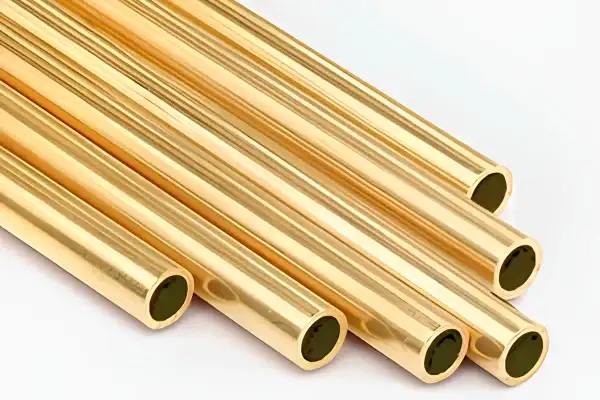
There’s a reason hollow wire has become such a staple in modern chain and jewellery manufacturing: it looks and feels like solid gold or silver to the wearer, but uses noticeably less
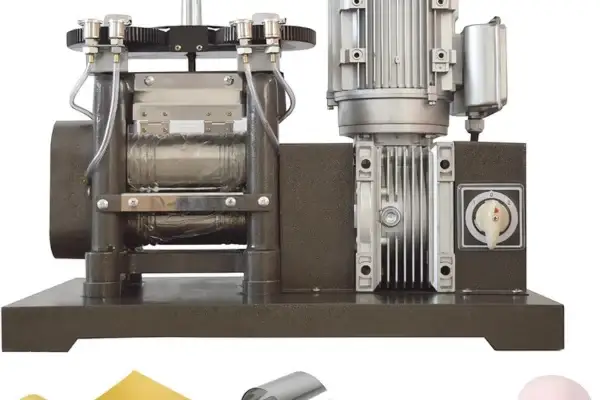
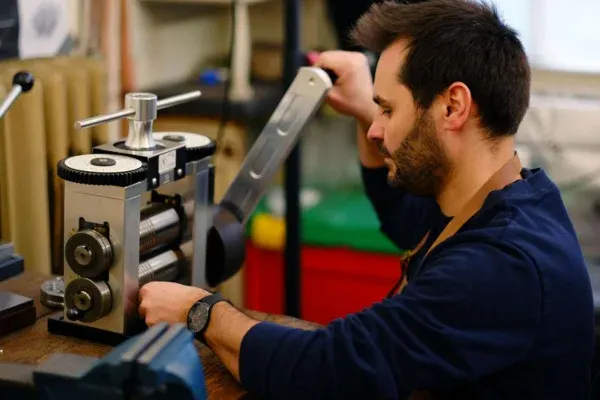
raw material to produce. For manufacturers watching material costs closely, that difference adds up fast across production volume. Our hollow wire rolling machine is built to produce that tubular wire reliably, without the structural weaknesses that come from rushed or poorly calibrated hollow-forming equipment.
Producing hollow wire is a fundamentally different challenge than solid wire rolling. The wire needs to form a consistent tube shape while maintaining wall thickness evenly around its circumference — get that wrong, and you end up with wire that’s prone to collapsing, denting, or splitting during later processing.
Even Wall Thickness Is Non-Negotiable
The single biggest risk in hollow wire production is uneven wall thickness. If one side of the tube is thinner than the other, that wire becomes a weak point — it can crush under normal handling, split during soldering, or fail during the stress of everyday wear once it’s part of a finished chain. Our machine’s roller and forming mechanism are engineered specifically to maintain even wall thickness around the entire circumference of the wire, pass after pass.
That consistency is what separates hollow wire that holds up structurally from wire that looks fine on the spool but fails once it reaches the customer.
Built for Chain-Making and Tubular Components
Hollow wire feeds primarily into chain-making, where it’s valued for giving manufacturers a lightweight, cost-efficient alternative to solid wire without sacrificing the visual bulk customers expect from a chain. It’s also used in certain tubular jewellery components and settings where weight reduction matters without compromising the piece’s presence.
Our machine is calibrated to produce hollow wire suited to these downstream uses, with wall thickness and diameter control precise enough that the wire behaves predictably whether it’s headed into a chain-forming machine or another shaping process.
Real Material Cost Savings at Scale
For manufacturers producing at volume, the material savings from hollow wire versus solid wire aren’t trivial — they represent a meaningful reduction in raw gold or silver consumption per unit of finished product. That saving only holds up, though, if the wire is structurally sound enough to avoid rejects and rework. Our machine is built to protect that cost advantage by keeping quality consistent, so the savings on material don’t get eaten up by wasted or defective wire further down the line.
Handles Gold, Silver, and Alloy Compositions
Like our other wire equipment, this machine is calibrated to work across gold, silver, and common jewellery-grade alloys, giving manufacturers flexibility without needing separate hollow wire equipment for each material.
ISO 9001:2015 Certified Manufacturing
Every hollow wire rolling machine we build is tested under our ISO 9001:2015 certified process, with specific verification of wall thickness consistency and forming accuracy before it leaves our Ahmedabad facility.
Who This Machine Suits
This machine is built for chain manufacturers and jewellery producers looking to reduce material cost through hollow wire without compromising the structural integrity of the finished product. If material efficiency is a priority in your production, this machine is engineered around exactly that need.
Reach out to our team to discuss your wire diameter and wall thickness requirements.
FAQS:
Why is hollow wire used instead of solid wire in jewellery manufacturing?
Hollow wire uses significantly less raw material than solid wire while maintaining a similar visual appearance and bulk, reducing production costs at scale.
What's the biggest risk in producing hollow wire?
Uneven wall thickness is the main risk, as it creates weak points in the wire that can collapse, split, or fail during processing or every day wear.
Can this machine handle different metals?
Yes, it’s calibrated to work with gold, silver, and common jewellery-grade alloy compositions.
Is hollow wire suitable for chain-making?
Yes, it’s widely used in chain-making as a lightweight, cost-efficient alternative to solid wire without sacrificing the finished look.