
Quality Isn't a Final Checkpoint
It's Built Into Every Stage
One popular fallacy about quality assurance is that it is a final check carried out after the completion of a product before it leaves the premises and therefore, is meant to identify faults that arise from the process of manufacture. This strategy identifies some faults, but at the same time, most of the errors are discovered when they have become too deep rooted in the system. What makes our products durable is the fact that our quality control process is carried out during each phase of production.
This process takes much more time than a single quality control process, but it is the only way through which any faults can be spotted before they become too serious.
Raw Material Verification
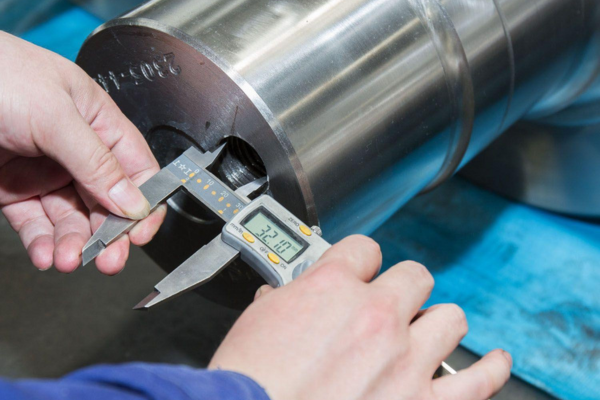
Quality starts before a single component is even machined. We verify the materials that go into our rollers, gears, and frames meet the specifications our engineering team has set, because a machine built from inconsistent or substandard raw material can’t perform reliably no matter how precisely it’s assembled afterward. This step alone eliminates a whole category of problems before they have a chance to develop.
In-Process Checks During Machining and Fabrication
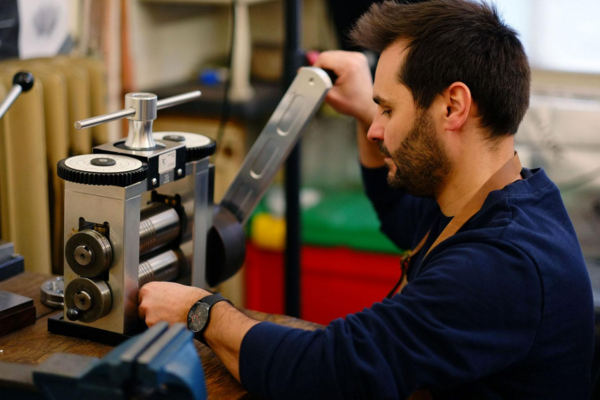
Rather than waiting until a component is fully finished to check its accuracy, our quality process includes checks during the machining and fabrication stages themselves. This lets our team catch dimensional drift or tolerance issues early, when they’re far easier and less costly to correct than they would be after a component is already built into a larger assembly.
Calibration Verification Before Assembly
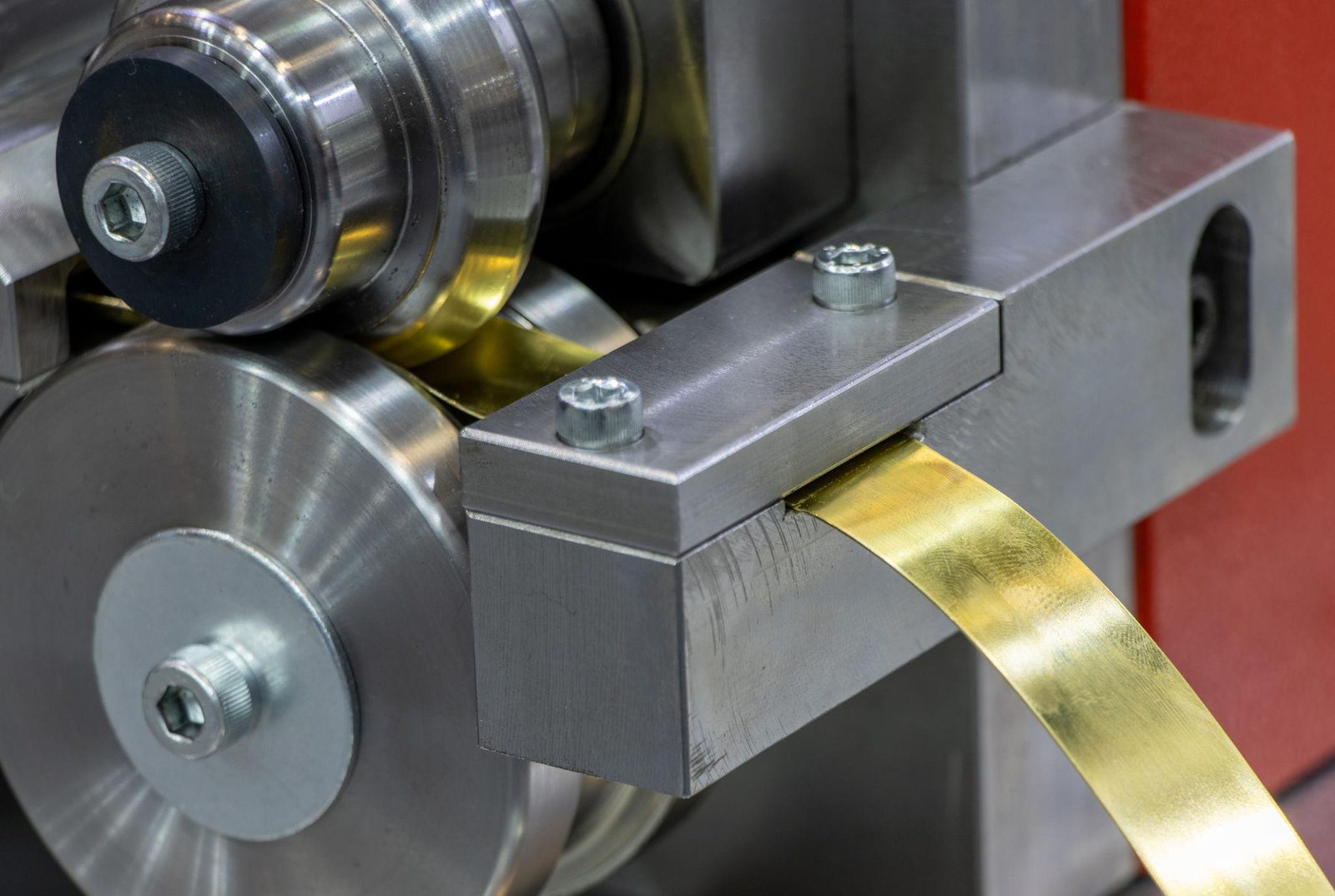
Before individual components come together into a finished machine, we verify that rollers, gears, and gap-control mechanisms meet the calibration standards specific to that machine type. This step matters particularly for machines with tight tolerance requirements, like our fine rolling and wire drawing equipment, where even small calibration errors at the component level can affect final machine performance significantly.
Full Machine Testing Under Load
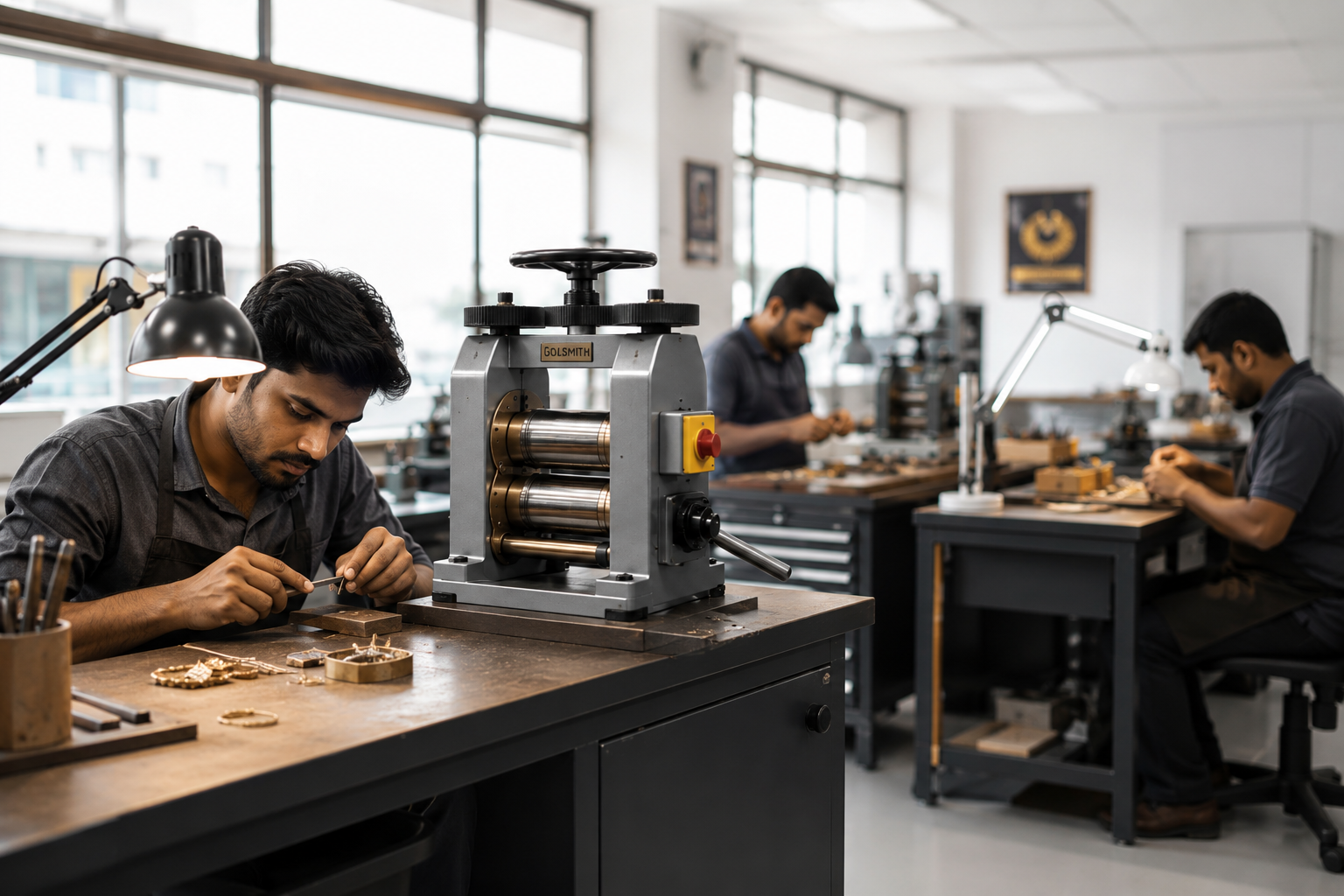
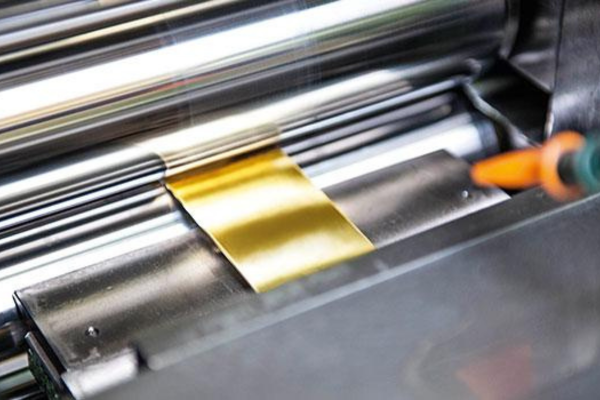
Once a machine is fully assembled, it goes through operational testing under conditions that reflect real production use, not just a static visual inspection. This means running the machine through its actual function, checking calibration accuracy, roller performance, and
overall stability under the kind of load it will face in a client’s facility. Problems that might not show up in a stationary inspection often reveal themselves clearly under this kind of functional testing.
Documentation Aligned With ISO 9001:2015
Every stage of this quality process is documented as part of our ISO 9001:2015 certified quality management system. That documentation isn’t just for certification purposes — it creates traceability, so if a question ever comes up about a specific machine’s build or testing history, we have a clear record to reference.
Continuous Improvement, Not a Fixed Standard
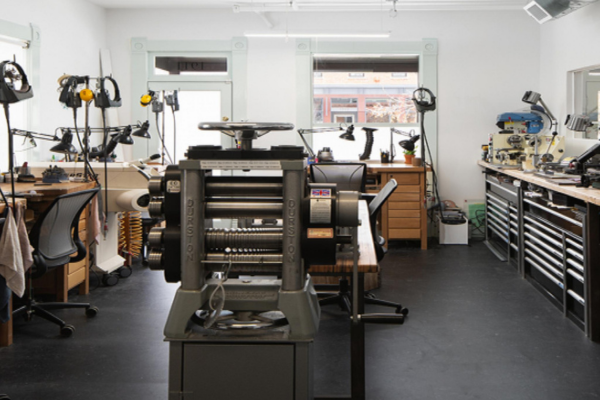
Our quality process isn’t static. With each problem that arises in terms of customer feedback, changing alloy mixes, or even in manufacturing processes, we update our quality control procedures to meet those demands. The result is that our quality standards stay up-to-date and not outdated.
What This Means for You
Once you buy our machine, then you have a machine which has gone through numerous checks during its manufacturing process, and not simply a quick check prior to shipping it out. This careful inspection plays a major role in making sure that our machinery can perform effectively in tough conditions.
Have questions about our quality process for a specific machine type? Reach out to our team, we’re glad to walk you through it.
FAQS:
What does your quality assurance process cover?
It covers raw material verification, in-process checks during machining and fabrication, calibration verification before assembly, and full operational testing under load before final dispatch.
Is your quality process certified?
Yes, our quality management system is certified under ISO 9001:2015, with documentation covering every stage of the manufacturing process.
Does quality checking happen only at the end of production?
No, our approach involves checks at multiple stages throughout manufacturing, which helps catch and correct issues early rather than only at final inspection.
How are machines tested before they're shipped?
Machines undergo functional testing under conditions similar to real production use, checking calibration accuracy, roller performance, and stability under load.