
When Standard Rollers Aren't Hard Enough
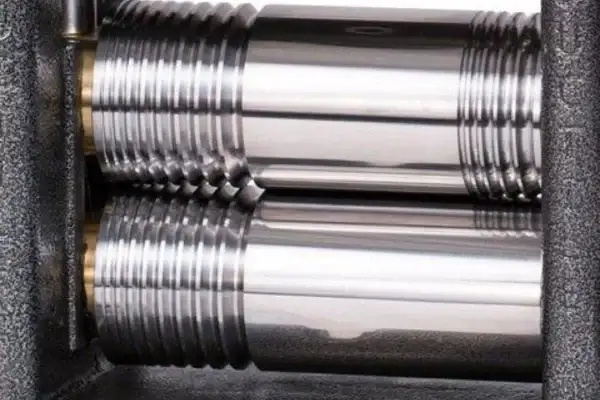
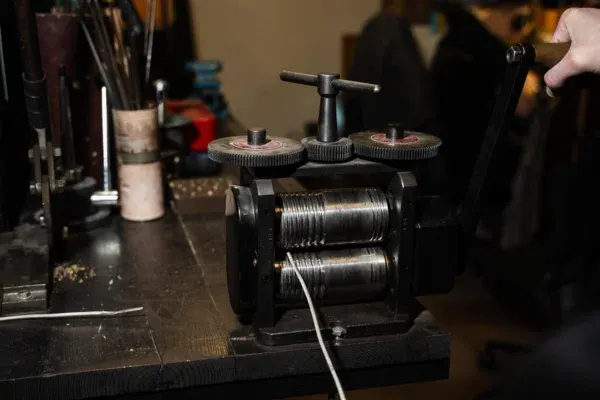
Most rolling mills use hardened steel rollers, and for a lot of applications, that’s more than sufficient. But manufacturers running high volumes, working with harder alloy compositions, or chasing an exceptionally fine surface finish eventually hit the limits of what steel rollers can consistently deliver. That’s the gap our jewellery carbide rolling mill fills, using tungsten carbide rollers built for a level of hardness and precision steel simply can’t match.
Carbide is a significant step up in roller material, and it shows in both the finish quality and the lifespan of the equipment. This machine is built for manufacturers who’ve outgrown what standard steel-roller mills can offer.
Why Carbide Rollers Make a Real Difference
The hardness of tungsten carbide is many times higher compared to steel that is normally used for rollers. Therefore, tungsten carbide can withstand wear much better compared to the steel roller. The steel roller becomes less accurate as it is processing one batch after another. It needs to be refurbished or replaced at certain intervals. However, carbide roller can provide good dimensional accuracy for a long period of time.
For manufacturers running high production volumes, this durability difference isn’t a minor detail — it’s a meaningful reduction in downtime and long-term maintenance cost.
A Finer, Cleaner Surface Finish
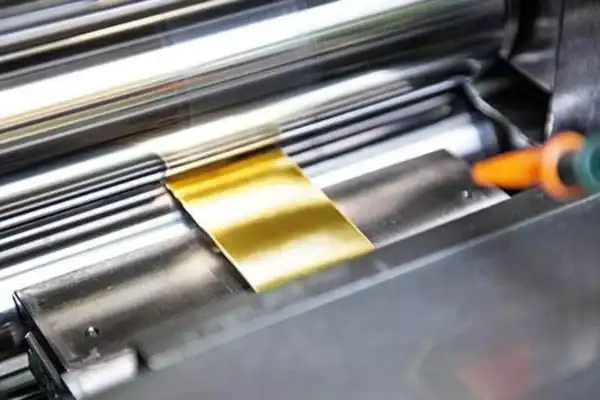
In addition to being more durable, carbide rollers yield surfaces with a much finer texture compared to those made by steel rollers because of the high level of precision in polishing the harder material and its ability to withstand the erosion of its surface caused by the applied pressure. For jewellery-making purposes, this will mean fewer polishing operations on the surface of the material.
Built for Harder Alloy Compositions
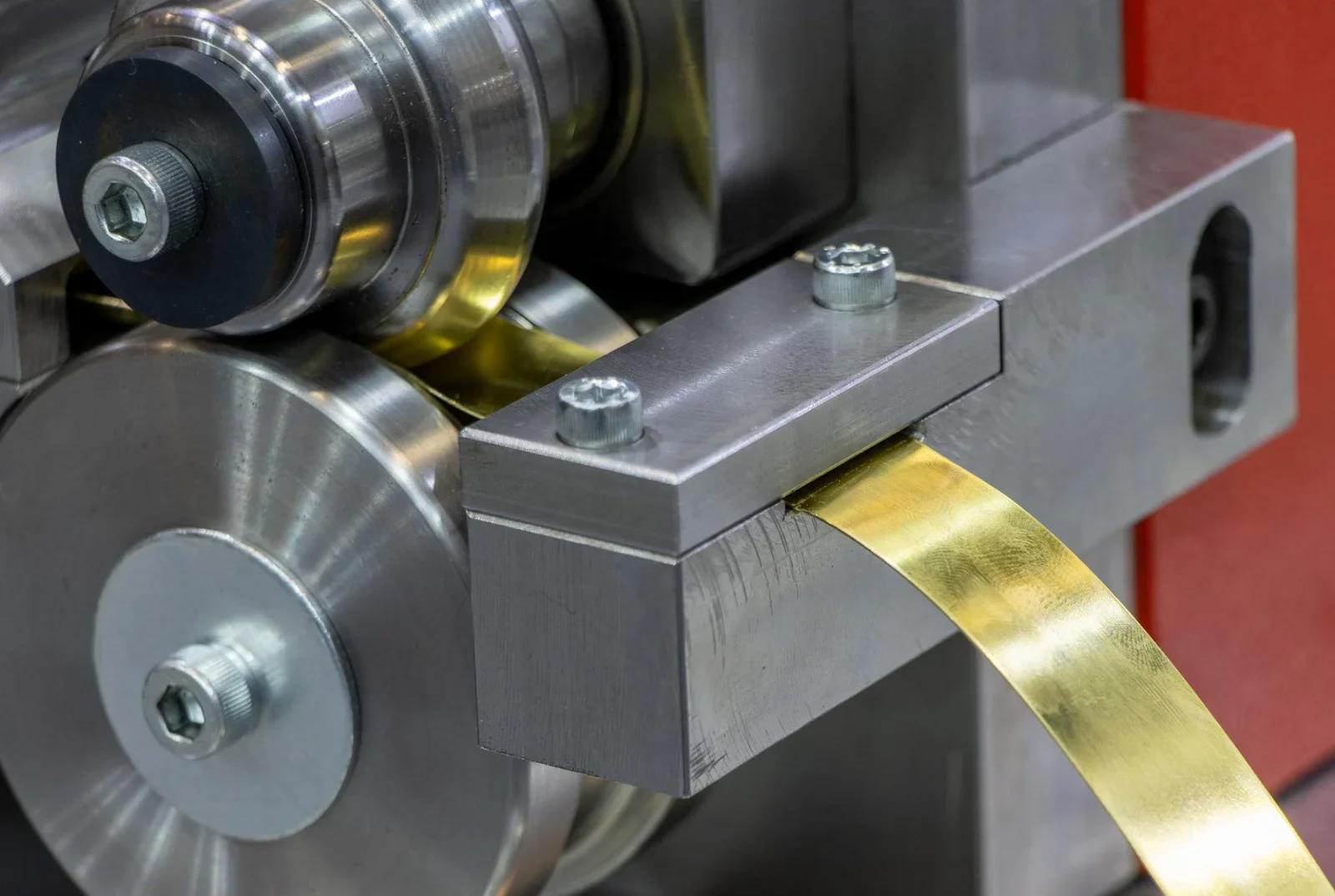
Some jewellery-grade alloys are harder and more abrasive than pure gold or silver, and processing them through standard steel rollers accelerates roller wear considerably. Carbide rollers handle these harder compositions with far less degradation, making this machine a better fit for manufacturers working with a broader or harder range of alloy formulations.
A Higher Upfront Investment That Pays Off Over Time
Carbide rolling mills cost more than standard steel-roller equivalents, and it’s worth being upfront about that. But for manufacturers running high volumes or working with demanding alloy compositions, the extended roller lifespan and reduced maintenance frequently offset that higher initial cost over the equipment’s working life. It’s an investment decision that tends to make the most sense for manufacturers past a certain production scale.
Reliable Precision Through Extended Use
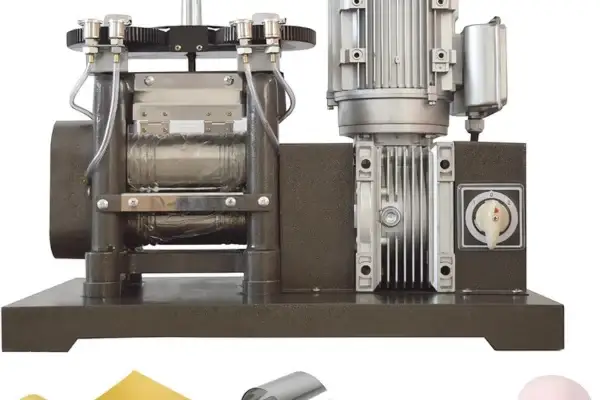
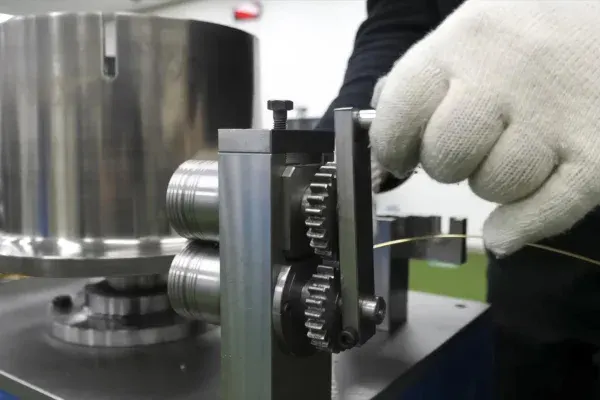
Combined with our standard frame and gear engineering, the carbide rollers in this machine deliver precision that holds steady far longer than steel-roller equivalents, keeping thickness and finish quality consistent across a much longer operational window before any roller maintenance is needed.
ISO 9001:2015 Certified Manufacturing
Every carbide rolling mill we manufacture goes through our ISO 9001:2015 certified quality process, with additional verification specific to carbide roller hardness and finish quality before it leaves our Ahmedabad facility.
Who This Machine Suits
This mill is best suited for high-volume manufacturers and those working with harder alloy compositions who need extended roller life and superior surface finish. If your production scale justifies the investment in carbide technology, this machine delivers a meaningfully higher performance ceiling than standard steel-roller mills.
Contact our team to discuss your production volume and whether carbide technology fits your operation.
FAQS:
Why is a carbide roller better than a steel roller?
The carbide roller is harder, which means that there will be more durability of the roller and less wearing, compared to the steel roller.
Is a carbide rolling mill worth its cost?
If you are a big manufacturer or work with harder alloy composition, then you can get the benefit from such rolling mill and save money on maintenance in the long run.
Will this machine eliminate the need for secondary polishing?
Most likely, since the surface finish is better, which means you won’t have to do extra polishing.
Will this machine suit for small workshops?
No, not really, since it is meant mostly for high-volume manufacturers or harder alloy compositions.