
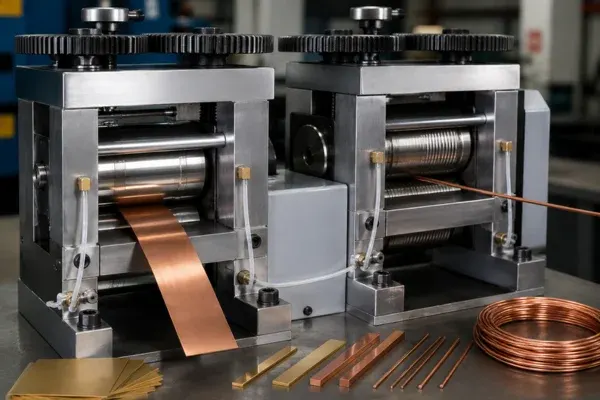
Where Every Production Cycle Actually Begins
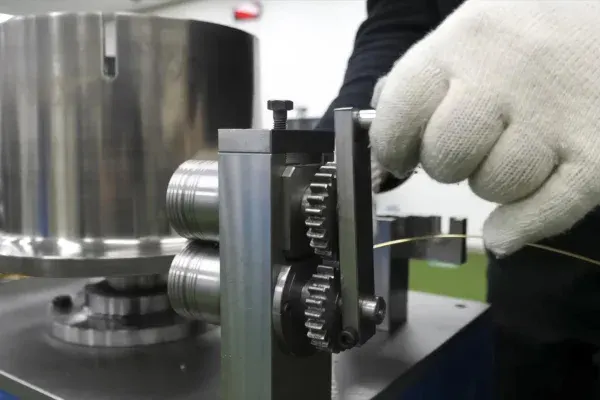
Before gold becomes a fine sheet, a delicate wire, or a polished bangle, it starts life as a bar or ingot — thick, dense, and nowhere close to a usable form. Getting from that raw block to something workable requires a machine that can handle serious reduction without straining, without slowing down, and without wearing out after a few hundred cycles. That’s the job our gold rough rolling machine is built for.
This stage of production doesn’t get the attention that fine finishing work does, but it’s arguably the most demanding on the equipment. Rough rolling means pushing thick, dense material through significant thickness reduction in relatively few passes, and that puts real strain on rollers, gears, and frames that aren’t built for it.
Built for Heavy Reduction, Not Fine Finishing
Unlike our fine rolling or sheet rolling machines, which are calibrated for precision at thinner gauges, this machine is engineered around raw power and durability. The frame is reinforced to handle the higher pressure required to compress dense ingots, and the roller assembly is built to withstand the repeated heavy loads that come with first-stage reduction, cycle after cycle, without losing structural integrity.
This is deliberately not a delicate machine, because rough rolling isn’t a delicate job. It’s the workhorse stage that sets up everything that happens afterward on your production line.
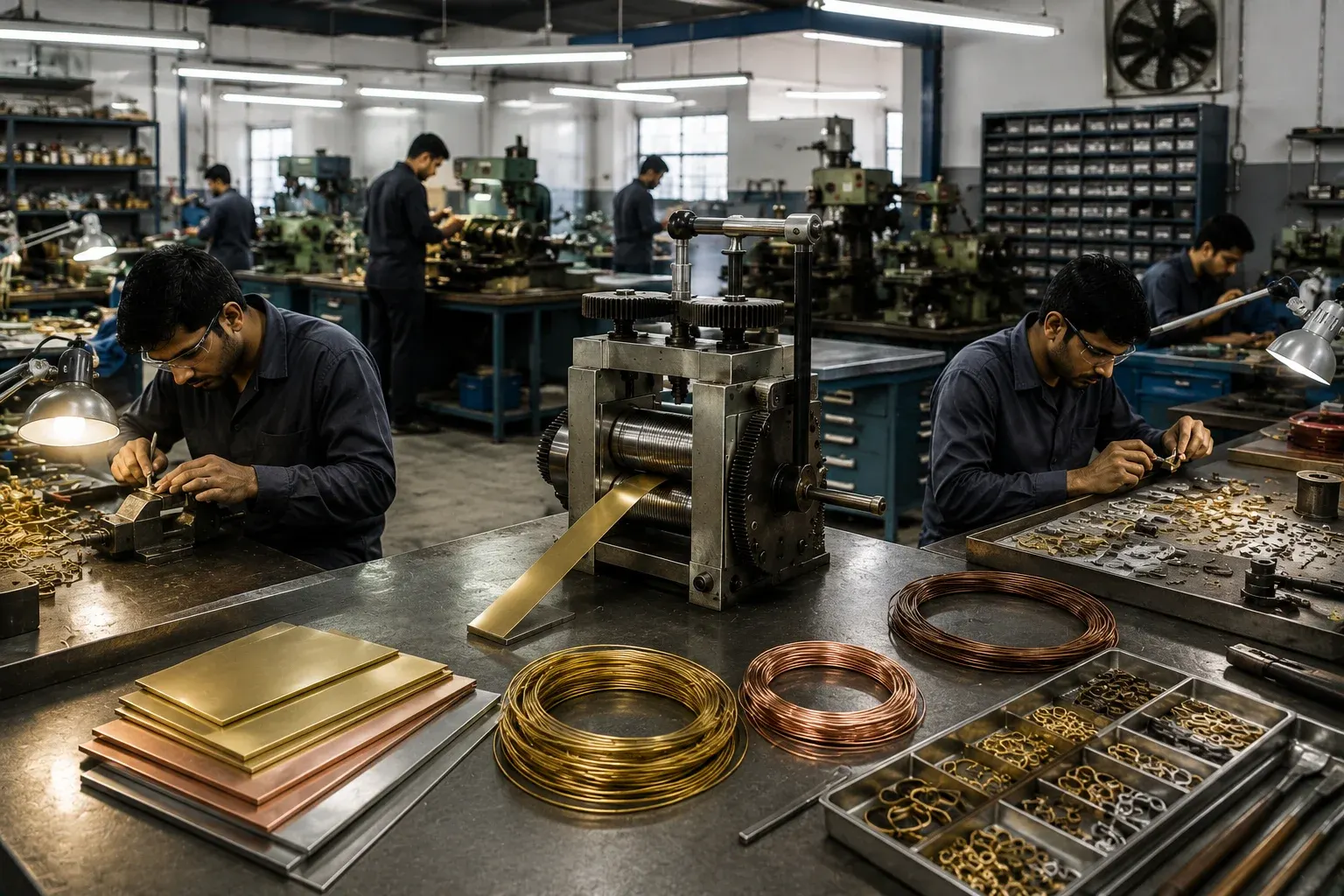
Consistent Feed Even Under Heavy Load
A common issue with lower-grade rough rolling equipment is inconsistent feed under heavy pressure — the material doesn’t move through the rollers evenly, leading to warped or unevenly reduced stock that then causes problems at every later stage of processing. Our machine’s feed mechanism is built specifically to stay consistent even when handling thick, dense gold ingots, so what comes out the other end is uniform and ready for the next stage of rolling.
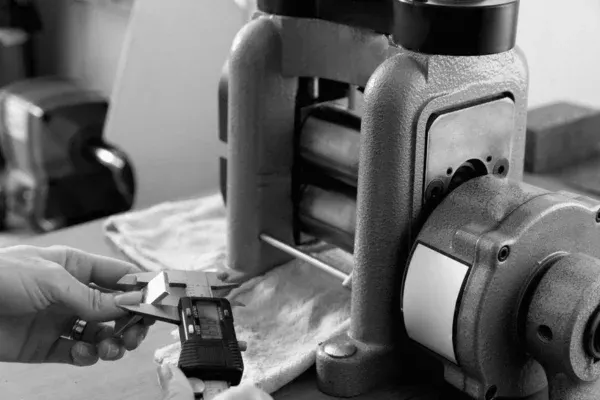
Setting Up Downstream Stages for Success
The quality of your rough rolling directly affects how smoothly your fine rolling, sheet rolling, or wire rolling stages perform later. Stock that comes out of rough rolling unevenly reduced or warped creates extra work — and extra rejects — further down the line. Getting this first stage right isn’t just about speed; it’s about setting up every subsequent process for a cleaner, faster run.
Built for High-Volume, Continuous Operation
Manufacturers running significant production volumes need rough rolling equipment that can operate for extended periods without performance dropping off. Our machine’s hardened components and reinforced frame are built with exactly that kind of continuous, high-load operation in mind, so it holds up under daily heavy use rather than needing frequent downtime for adjustment.
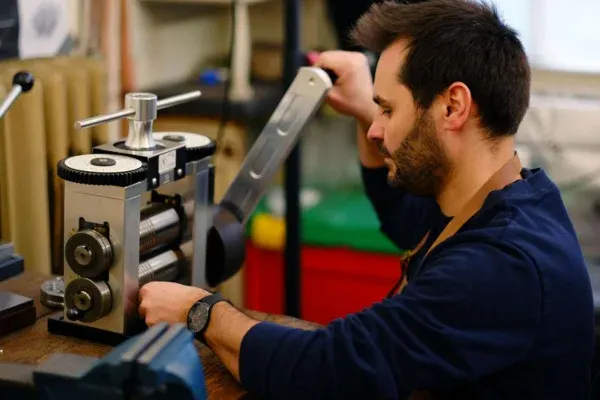
ISO 9001:2015 Certified Manufacturing
Who Needs This Machine
This machine is essential for manufacturers and refiners handling raw gold ingots or bars as the starting point of their production process. If your workflow begins with dense, unworked gold stock that needs significant initial reduction before any fine processing can happen, this is the machine built for that exact first step.
Contact our team to discuss your ingot dimensions and production capacity requirements.
FAQS:
What is a gold rough rolling machine used for?
It’s used for the first-stage reduction of thick gold ingots or bars, compressing them into a workable form before further fine rolling or sheet processing.
How is this different from a fine rolling machine?
Rough rolling machines are built for heavy, high-pressure reduction of dense raw material, while fine rolling machines are calibrated for precision work at thinner gauges.
Can this machine handle continuous, high-volume production?
Yes, it’s built with reinforced components specifically designed for extended, heavy-load operation without frequent downtime.
Why does rough rolling quality matter for later production stages?
Unevenly reduced stock from poor rough rolling can cause defects and rejects in subsequent fine rolling, sheet rolling, or wire rolling stages, making this first step critical to overall production quality.